
Orthodontic treatment is a process that brings up different questions at every stage. Before starting, patients often want clarity about what issues need correction, how treatment works, what it will cost, and how long it will take. Once treatment is underway, questions shift toward daily care, comfort, lifestyle adjustments, and progress. After braces or aligners come off, the focus turns to retention, follow-up care, and maintaining long-term results. No matter the stage, your questions matter, and asking them ensures you feel informed, confident, and supported throughout your orthodontic journey.
At Dental Depot of DFW, orthodontic treatment is about more than straightening teeth; it’s about giving patients of all ages the confidence, comfort, and long-term oral health they deserve. Whether you’re exploring braces for your child, Invisalign® for yourself, or orthodontic options for the whole family, the journey can bring up many questions. Our team of friendly and experienced orthodontic professionals is here to help you understand what to expect before, during, and after treatment and empower you to be a part of your care. Your questions matter, and by staying informed and engaged, you’ll not only protect your investment in orthodontics but also enjoy the benefits of a healthy, lasting smile.
Before treatment begins, most patients and parents want to know what exactly needs to be corrected, how it will be fixed, how long it will take, and how much it will cost. These are big-picture questions that set the foundation for your care. This stage is all about building confidence and clarity so you understand the “why” behind your treatment plan and what lies ahead.
Every smile is unique, and treatment starts with identifying what needs to be addressed. Common issues include crowding, gaps, overbites, underbites, and crossbites. These aren’t just cosmetic; they can impact speech, chewing, and long-term dental health.
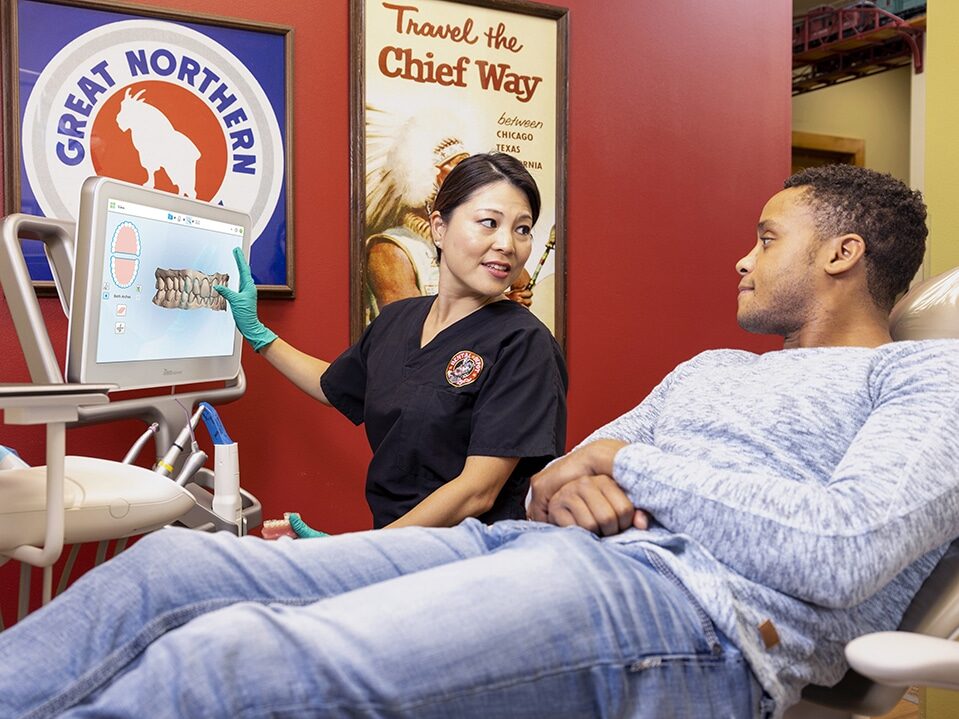
At your consultation, your doctor will use X-rays, digital scans, or photos to explain your diagnosis in detail. Understanding exactly why treatment is needed helps you stay motivated throughout the process.
There’s no one-size-fits-all solution. Options include:
Each option has different benefits in terms of visibility, comfort, and treatment length. For example, braces are often better for complex cases, while Invisalign is nearly invisible and removable. Your orthodontic specialist will help you weigh these options against your goals, lifestyle, and budget.
Some patients require preliminary steps before braces or aligners, such as:
Asking this question helps you prepare for possible extra appointments, recovery time, and adjustments to your timeline.
On average, treatment takes 12–24 months, though minor cases may finish in 6–9 months and complex cases can last longer. Compliance plays a big role: wearing aligners as directed or keeping up with appointments can shorten treatment, while missed visits or broken appliances can extend it.
Ask your orthodontic specialist for both a best-case and worst-case estimate so you know what to expect.
Braces patients usually come in every 4–8 weeks for adjustments; Invisalign patients may have check-ins every 6–10 weeks. Some practices also use virtual monitoring tools, which can reduce in-person visits.
Knowing your schedule ahead of time helps you plan around school, work, and activities.
It’s normal to feel some soreness after adjustments or when switching aligners. You may also need to adjust your speech temporarily and avoid certain foods that can damage appliances.
Having this information helps you anticipate changes in your daily routine and plan for comfort strategies, like orthodontic wax, soft foods, or saltwater rinses.
Orthodontic treatment is an investment in your health, and asking early ensures there are no surprises down the road. Costs depend on the appliance, case complexity, and treatment length.
Digital technology, like iTero® 3D scanning, can simulate your smile’s progress and outcome. Even if your case can’t be predicted with 100% accuracy, these previews are motivating and help set realistic expectations.
Once treatment is underway, new questions arise. Patients often want to know how to take care of their appliances, what lifestyle changes are necessary, and how to handle minor issues like soreness or a broken bracket. This stage focuses on the practical, day-to-day aspects of treatment, as well as making sure everything is moving along as planned. Staying engaged and asking questions during this phase helps keep treatment on schedule and prevents small problems from becoming bigger ones.
Oral hygiene is especially important during orthodontic treatment, since food and plaque build up more easily. Brushing twice a day, flossing daily (using threaders or water flossers if needed), and using fluoride rinses can prevent cavities and stains.
Your doctor can show you the right techniques and tools for your specific appliance.
With braces, avoid sticky, chewy, or hard foods (like caramel, popcorn, or ice) that can break brackets or wires. With Invisalign, you can eat normally but must remove aligners first and clean your teeth before putting them back in.
Asking about food rules protects your appliances and keeps treatment on track.
Brackets can come loose, wires can poke, or aligners can crack. Ask your doctor what counts as an emergency and what can wait until your next appointment.
Mild soreness is normal, but prolonged or severe pain isn’t. Your doctor may recommend orthodontic wax, over-the-counter pain relievers, or saltwater rinses. Always ask what’s normal for your situation and when to call the office.
At each appointment, your orthodontic specialist will check that your teeth are moving as expected. Don’t hesitate to ask whether you’re on track, ahead, or behind schedule. This helps you stay accountable and lets your provider adjust your plan if needed.
Orthodontic treatment is safe, but risks include root shortening, gum irritation, or relapse if retainers aren’t worn. Asking keeps you aware of potential complications and allows your doctor to monitor and minimize risks.
Even the best brushers can miss spots around brackets or attachments. Ask your doctor to point out areas that need more attention. This feedback helps prevent cavities, staining, or gum issues during treatment.
Many patients are surprised to learn that orthodontic care doesn’t end the day braces come off or aligners run out. This final phase is about protecting your results long-term. Common questions center on retainers, follow-up care, and how to keep your smile looking its best. Asking these questions ensures you understand how to maintain your investment and enjoy the benefits of your new smile for life.
Treatment doesn’t end with appliance removal. Teeth have a natural tendency to shift back, which is why retention is crucial. Most patients wear retainers nightly, sometimes indefinitely, to protect their results. Ask what type you’ll receive (removable vs. fixed) and how long you’ll need to wear it.
Retainers are essential, and going without one can undo months of work. Ask about replacement costs, timelines, and whether backup retainers are an option.
Even after active treatment, follow-ups are important to monitor stability and retainer fit. Ask how often you should return, usually a few times in the first year, then annually.
With consistent retainer wear and good oral hygiene, your new smile should last a lifetime. However, natural changes like aging, wisdom teeth, or gum shifts can still affect alignment. Ask about long-term monitoring and what steps you can take to protect your results.
Yes! Many patients choose to brighten their smile once orthodontics is complete. Ask your doctor how soon you can start whitening safely and which products or professional treatments they recommend.
Straight teeth aren’t just about aesthetics—they’re easier to clean, distribute bite forces evenly, and reduce risks of gum disease, TMJ issues, and uneven wear. Asking this question helps you connect the cosmetic improvements to deeper health benefits.
Your first consultation is one of the most important appointments of your orthodontic journey. It’s the time to meet your orthodontic team, understand your diagnosis, and explore your treatment options. For this first visit:
And remember, you’ll see your doctor several times throughout treatment, but usually only every 4–10 weeks. Since questions or concerns can pop up in between, it helps to keep a running list so you’re ready to bring them up at your next visit. This way, you won’t forget something that felt important in the moment, and your doctor can address everything in one appointment.
Most importantly, remember that orthodontic treatment is a partnership. Asking questions isn’t just allowed—it’s encouraged. The more you understand your treatment, the more successful and stress-free the process will be.
Orthodontic care is just one part of the comprehensive dental services we provide at Dental Depot of DFW. From routine checkups and preventive care to advanced restorative treatments, we’re here to make every step of your family’s dental care convenient, affordable, and effective. With multiple metro locations, flexible scheduling, and a team committed to your comfort, we make high-quality care accessible to every patient.
Your journey to a healthier, straighter smile starts with a conversation. Schedule your orthodontic consultation with Dental Depot of DFW today.