
A mid-course correction is an update to your orthodontic treatment plan made partway through care to keep your progress on track. Your doctor determines whether one is needed by monitoring your teeth and bite at check-ins, using tools like photos, scans, or X-rays. Corrections may be recommended if teeth move differently than expected, if your bite shifts, or if appliances need adjustment. Far from being a setback, a mid-course correction is a normal, proactive step that ensures your treatment continues toward the best possible result.
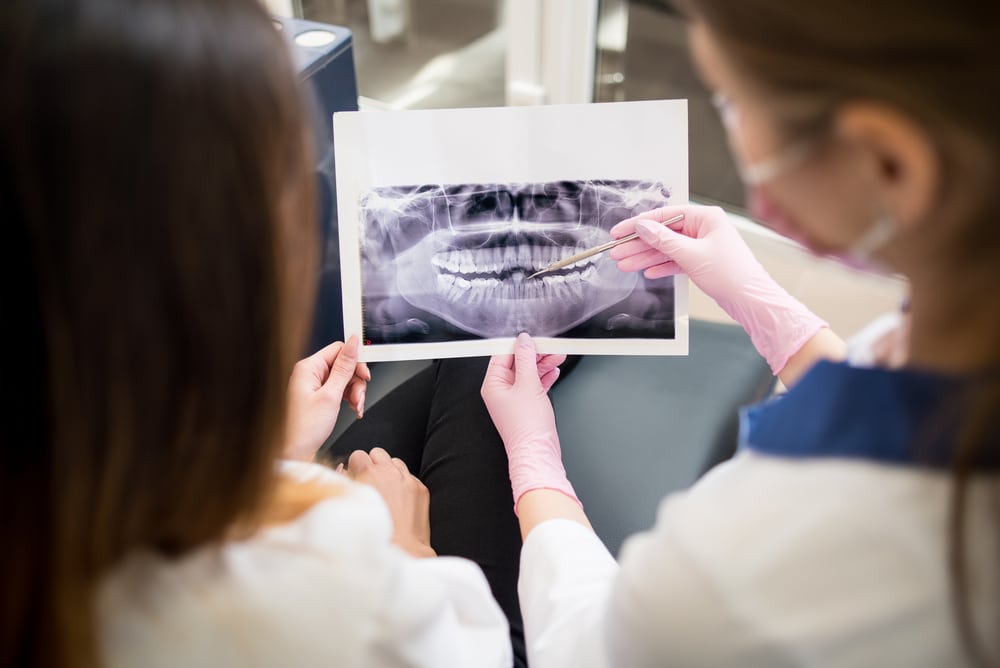
At Dental Depot of DFW, comprehensive orthodontic treatment means more than just straightening teeth; it’s about expert planning, ongoing communication, and care that adapts to your needs. Our experienced orthodontic specialists design your treatment with precision and monitor your progress every step of the way. If your plan needs an update, we’ll be transparent about why and guide you through a mid-course correction to keep everything on track.
A mid-course correction is an update to your orthodontic treatment plan that happens partway through care. During routine visits, your doctor will check your progress closely by reviewing photos, measuring how your teeth come together, and sometimes taking a quick digital scan or X-ray. These assessments help them see how your smile is responding in real time and whether the original plan needs to be revised.
If a correction is needed, your doctor will design a new sequence of movements and outline an updated timeline. This can include a fresh set of aligners, a different wire, changes in elastic wear, or other modifications tailored to your needs. The goal of a mid-course correction is to fine-tune your treatment so it continues moving forward smoothly, keeping your results on track and ensuring your smile develops as planned.
A mid-course correction doesn’t necessarily mean anything has gone wrong with treatment; it simply reflects how your plan is kept up to date. It also serves a different purpose than routine adjustments, which are part of every checkup. And while it may sound similar to refinements, a mid-course correction happens at a different stage in your treatment.
An orthodontic treatment plan is a roadmap designed to guide your care, but it isn’t set in stone. As your teeth and bite change in response to treatment, your doctor may update the plan to reflect how things are moving in real life. A mid-course correction is simply a normal, proactive part of the process, fine-tuning the details to keep you on track toward a healthy, comfortable bite and a smile built to last.
Far from being a setback, a mid-course correction is also an indicator that your doctor is closely monitoring your progress and carefully making the right adjustments at the right time so your treatment keeps moving in the right direction.
Even without a mid-course correction, braces require regular adjustments to keep treatment moving forward. These routine steps fine-tune your progress, guiding teeth safely and efficiently while responding to the natural changes in your mouth. Unlike a mid-course correction, adjustments don’t alter the overall plan—they simply keep it on track.
Mid-course corrections are also different from refinements. Refinements usually take place near the end of treatment, when your teeth are already in a good position but need a little extra fine-tuning before everything is finished. Think of refinements as the “final polish” that helps your smile look and feel its best.
Yes, it is possible that you will need a mid-course correction with Invisalign. Invisalign plans are based on a digital model, and teeth sometimes move a bit slower or faster than the model predicted. If that happens before you finish the first set of trays, your dentist may order a mid-course correction. If it happens near the end, the next step is often called a refinement.
A course correction with Invisalign can include:
A new digital scan and updated plan. The scan is used to map your current tooth positions. The software generates a new sequence to reach the same goal.
A new set of aligners. You will get trays that match the updated plan. The number of trays depends on the movements needed.
New or different attachments. Small tooth-colored bumps help aligners grip teeth for rotations or other difficult moves. Your dentist may add, reshape, or remove attachments.
Elastics or buttons. For bit correction, small buttons can be bonded to teeth so elastics can attach to aligners.
IPR (interproximal reduction). This is gentle polishing between teeth to create a tiny amount of space. It helps relieve crowding or close black triangles. It is conservative and is planned in hundredths of a millimeter.
What you’ll notice from a mid-course correction to your Invisalign treatment plan is better aligner fit, clearer progress, and a realistic path to the finish line. A correction can add a few weeks, but it prevents deviation from the treatment plan and makes the final result even better.
Orthodontic plans are carefully designed, but real-life progress doesn’t always follow the original blueprint exactly. A mid-course correction is simply a way to update the plan so it matches what’s actually happening with your teeth and bite, keeping treatment on track for the best outcome. Your doctor determines if a correction is needed by monitoring your progress at check-ins and will clearly explain any changes so you know what to expect moving forward.
Sometimes a tooth rotates more slowly, tips less, or simply moves differently than expected. This is a normal part of biology, and a correction updates the plan to match actual movement.
As teeth shift, your upper and lower jaws may begin to meet in new ways. A correction helps realign the plan so your bite continues to come together properly.
Missed elastic wear, broken brackets, or not wearing aligners enough hours per day can affect progress. A correction resets the plan to reflect your current position and ensures treatment moves forward smoothly.
Creating or holding space in just the right spot is key to finishing your smile. Adjustments may be needed to open, close, or hold spaces for proper alignment or to finish closing gaps.
Aligners may not seat fully, attachments can wear down, or wires can lose force over time. A correction addresses these issues so teeth keep moving effectively.
There is a lot about your orthodontic treatment that you won’t be able to control, including whether or not you might need a mid-course correction. Mid-course corrections in your orthodontic treatment aren’t a bad thing; while they may be unavoidable sometimes, they are also necessary to keep your treatment moving in the right direction.
However, there are things you can do to support your progress and give your treatment plan the best chance of staying on track. With consistency, good daily habits, and the right approach, you can help your orthodontic treatment stay on schedule as much as possible.
At Dental Depot of DFW, we make it easy to stay on course with your orthodontic care. With multiple locations across the metro and flexible scheduling options, keeping your appointments is convenient and stress-free. Our advanced imaging and diagnostic technology allows us to track your progress with precision, while our experienced orthodontists and friendly team keep you informed and confident every step of the way.
We also believe that great care should be accessible. That’s why we offer clear communication, personalized payment options, and attentive support throughout your treatment. From start to finish, you’ll know exactly what to expect, and you’ll have a team dedicated to ensuring your smile develops safely, effectively, and affordably.
If you’re ready to get started on the journey to a straighter, healthier smile, schedule your in-person or virtual orthodontic consultation with Dental Depot of DFW today.